What is the main difference between Hubble and Lyssna?
Both platforms support usability testing, surveys, moderated interviews, and participant recruitment. Hubble also offers conversational AI interviews, event-triggered in-product surveys, and a built-in participant CRM. Lyssna combines design and usability testing with self-service plans, integrated panel recruitment, and AI-assisted analysis. The right fit depends on your research methods and participant workflows.
How do Hubble and Lyssna compare for unmoderated usability testing?
Both support Figma prototype testing, live website testing, card sorting, tree testing, and timed first-impression tests. Both also let you combine research tasks and survey questions. In Lyssna, multi-section studies require a paid plan and count toward its in-depth study allowance. Compare the task types, recordings, study controls, and reporting available with each plan.
Do both platforms offer AI-moderated interviews?
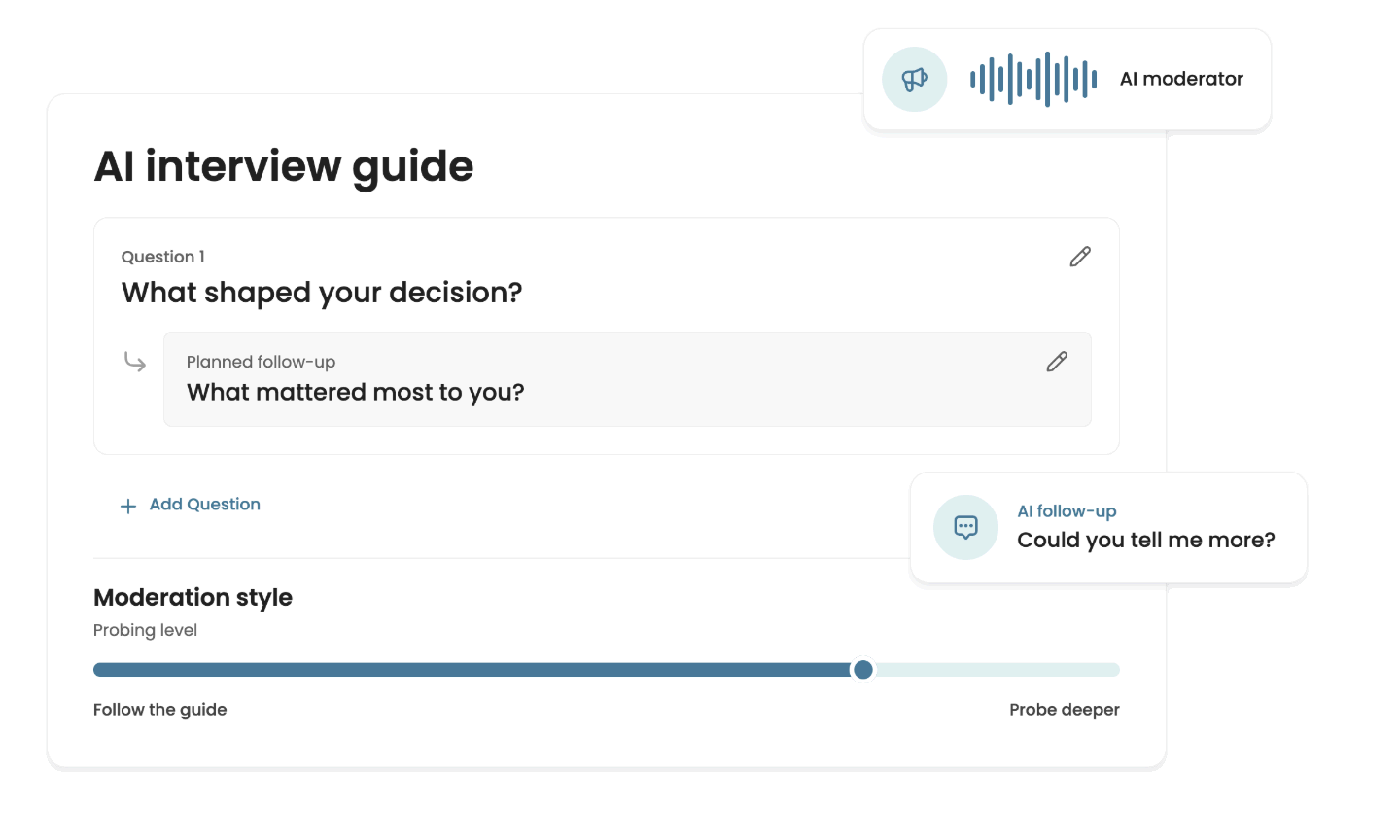
Hubble offers conversational AI interviews with voice and video responses, custom discussion guides, and adaptive follow-ups. Lyssna documents AI-generated follow-ups for long-text answers in tests and surveys, with up to two follow-ups per question. An equivalent conversational AI interviewer was not verified in Lyssna’s documentation. Lyssna does support audio recording and human-moderated interviews.
How does participant recruitment differ?
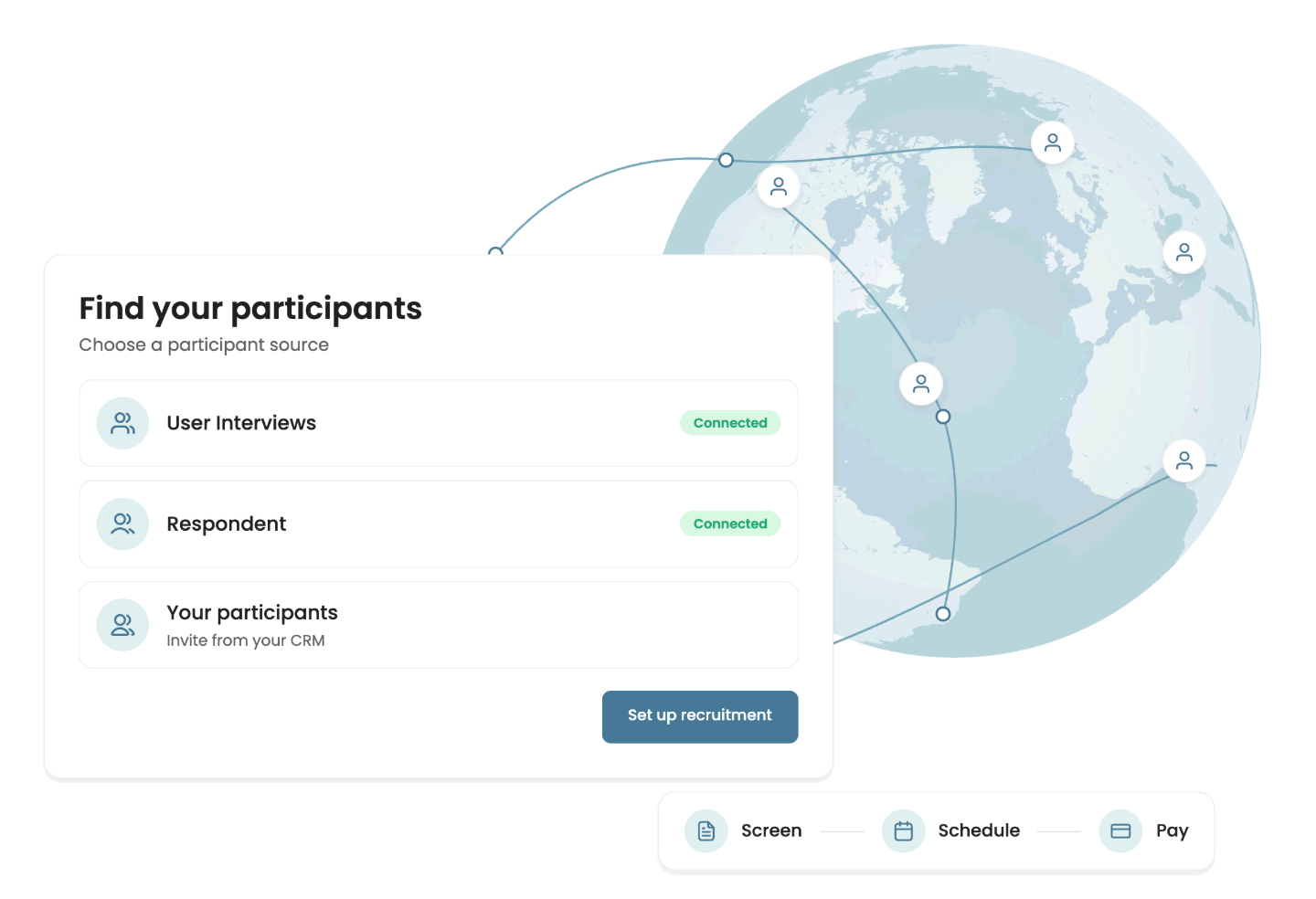
Hubble integrates with User Interviews and Respondent, letting teams recruit through either provider within their research workflow. Lyssna offers its own participant panel and an external partner panel for eligible unmoderated studies. Both let you invite your own participants. Audience availability, targeting options, and supported methods depend on the recruitment source.
Can I manage my own research participants in either platform?
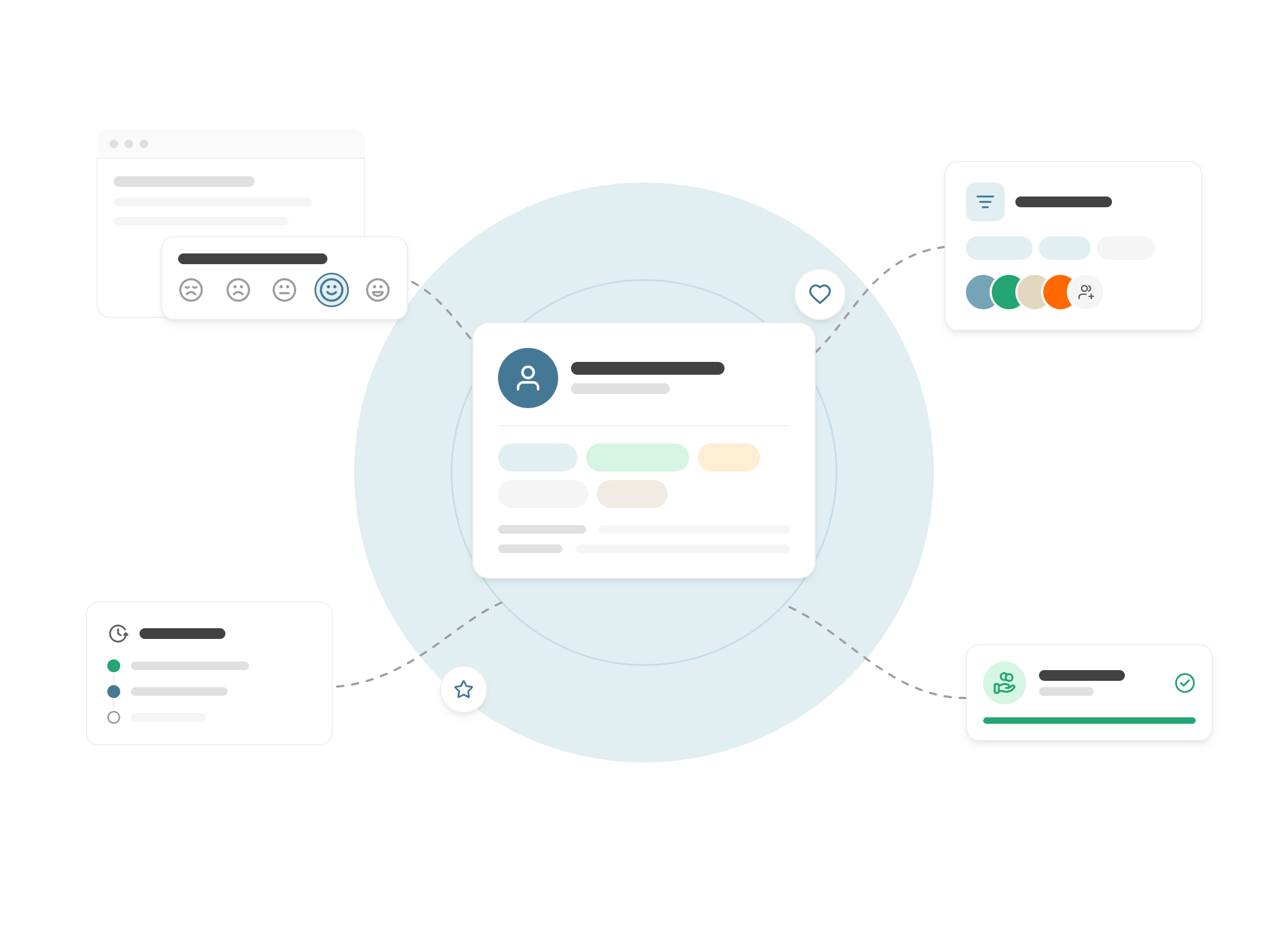
Both platforms let you run studies with your own participants. Hubble also provides a participant CRM with profiles, attributes, saved segments, and research history, plus a Tremendous connection for incentive payouts. Lyssna supports recruitment through study links, while your contact database and incentives for self-recruited participants are managed outside the platform.
Can I use Hubble or Lyssna through an AI assistant?
Both offer MCP connections for querying and analyzing research through compatible AI assistants. Hubble also supports actions such as creating and publishing studies and managing recruitment workflows, subject to permissions. Lyssna’s MCP connection is read-only: it can search and synthesize existing research but cannot create or edit studies.
How does pricing compare between Hubble and Lyssna?
Hubble offers a Free plan and custom Enterprise proposals. Lyssna offers Free, Growth, and custom Enterprise plans, with panel recruitment charged separately. Compare total costs for your expected seats, studies, responses, recruitment, and incentives. Also confirm which AI features, recording capabilities, and security controls are included.
How should I approach switching from Lyssna to Hubble?
Start with one representative usability test, survey, or interview. Gather your study materials and review available exports, then confirm with Hubble’s team what can be imported and what needs to be recreated. Run a pilot and compare the participant experience, research effort, costs, and reporting before moving more projects.